01
Coding systems evolve over time
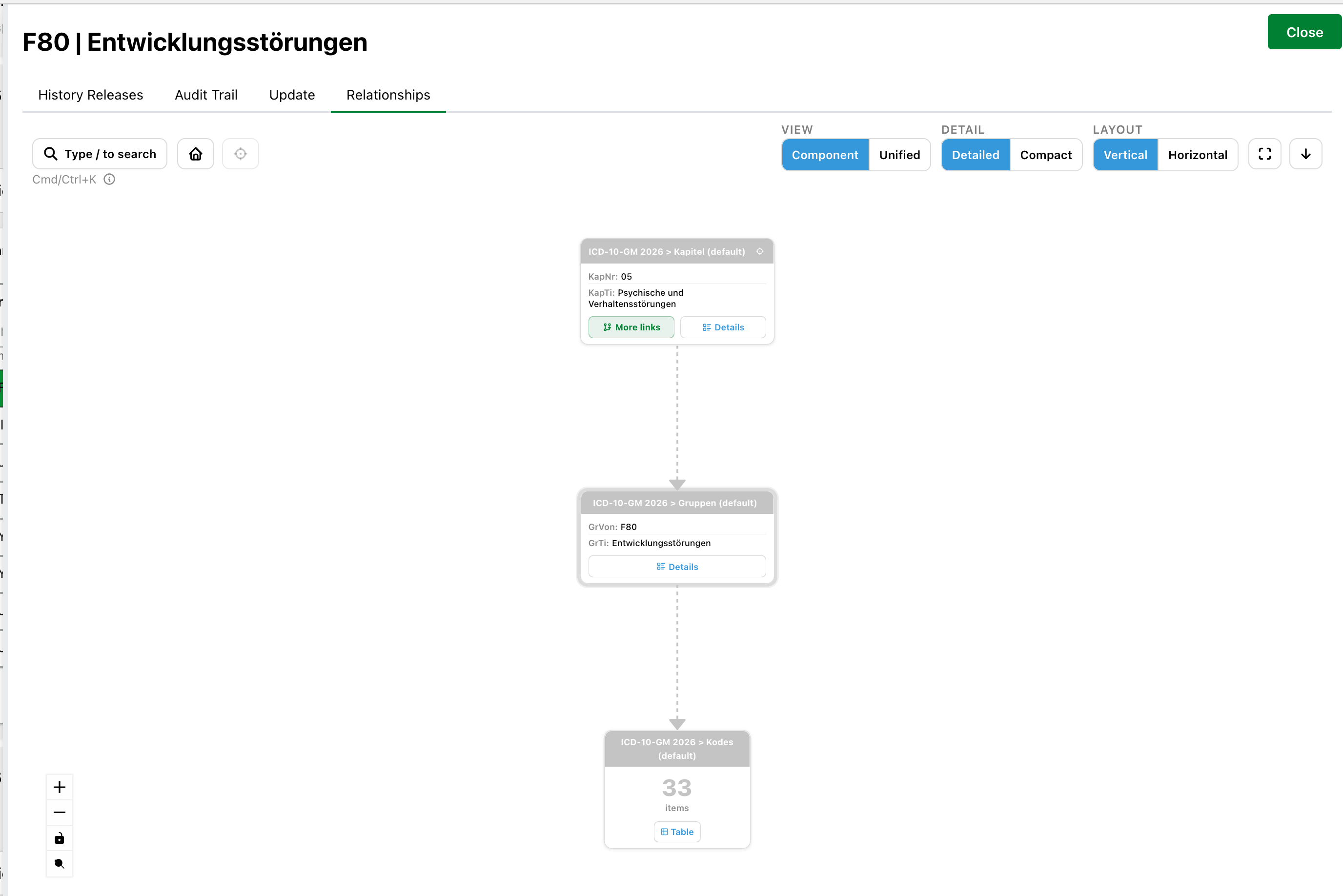
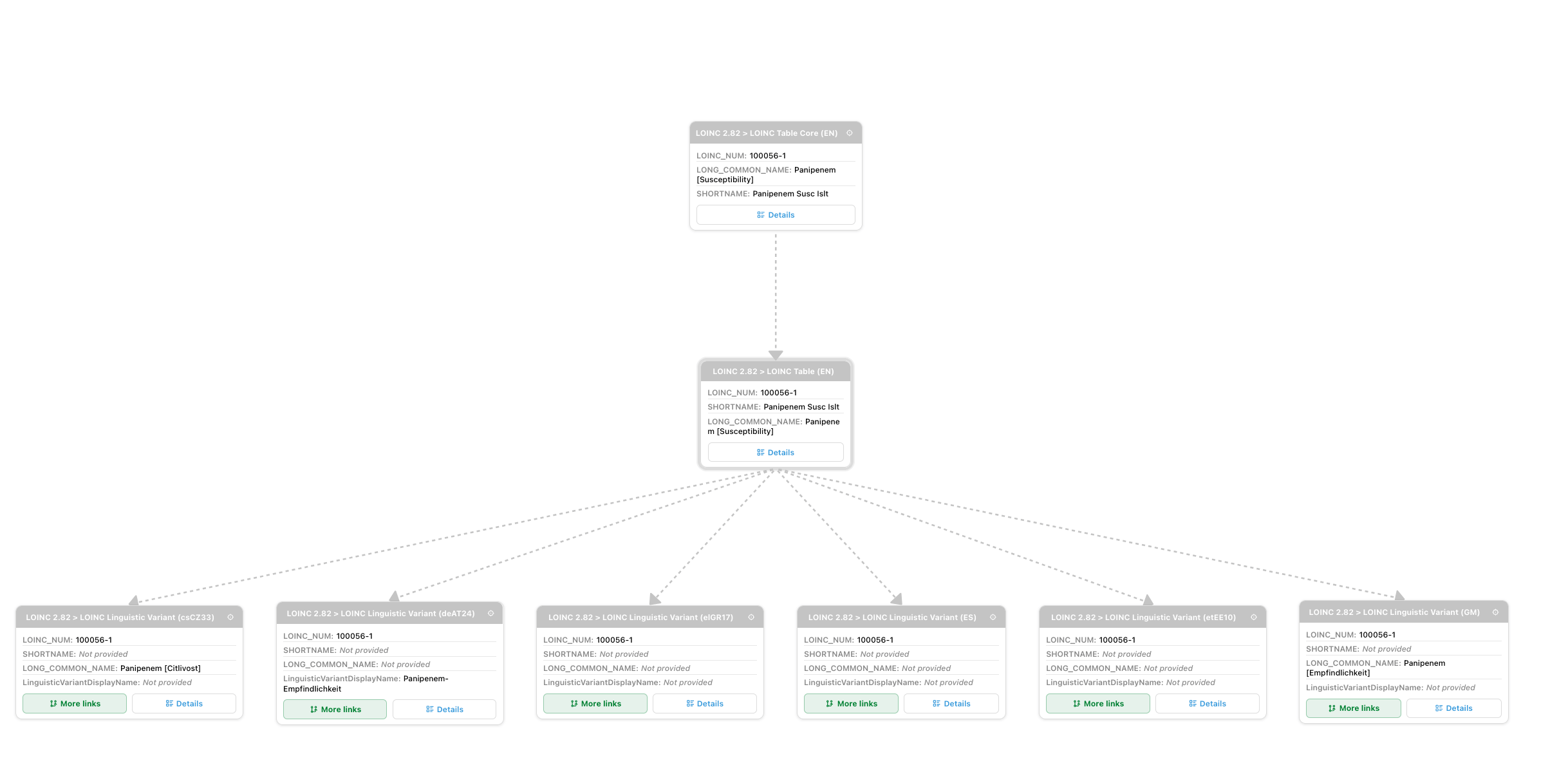
Biobanks register specimens using the classifications, code systems and controlled terminologies that were valid when each sample was stored — often spanning LOINC, SNOMED CT, ICD and national releases.
( Biobanking )
DataSDR helps biobanks manage terminology drift across specimen-associated demographic, clinical, processing, storage, consent, and distribution metadata.
( How standards flow )
01
Biobanks register specimens using the classifications, code systems and controlled terminologies that were valid when each sample was stored — often spanning LOINC, SNOMED CT, ICD and national releases.
02
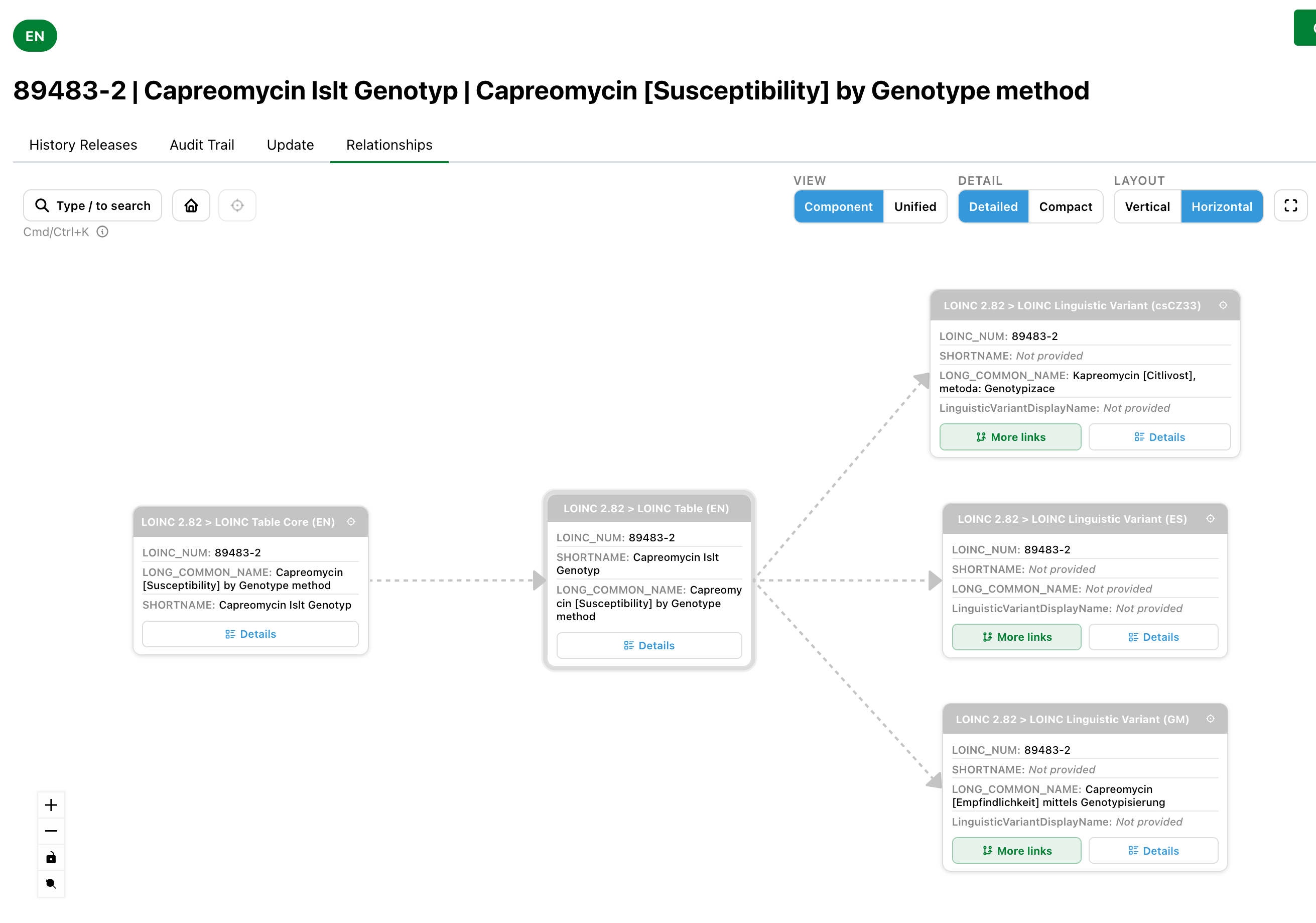
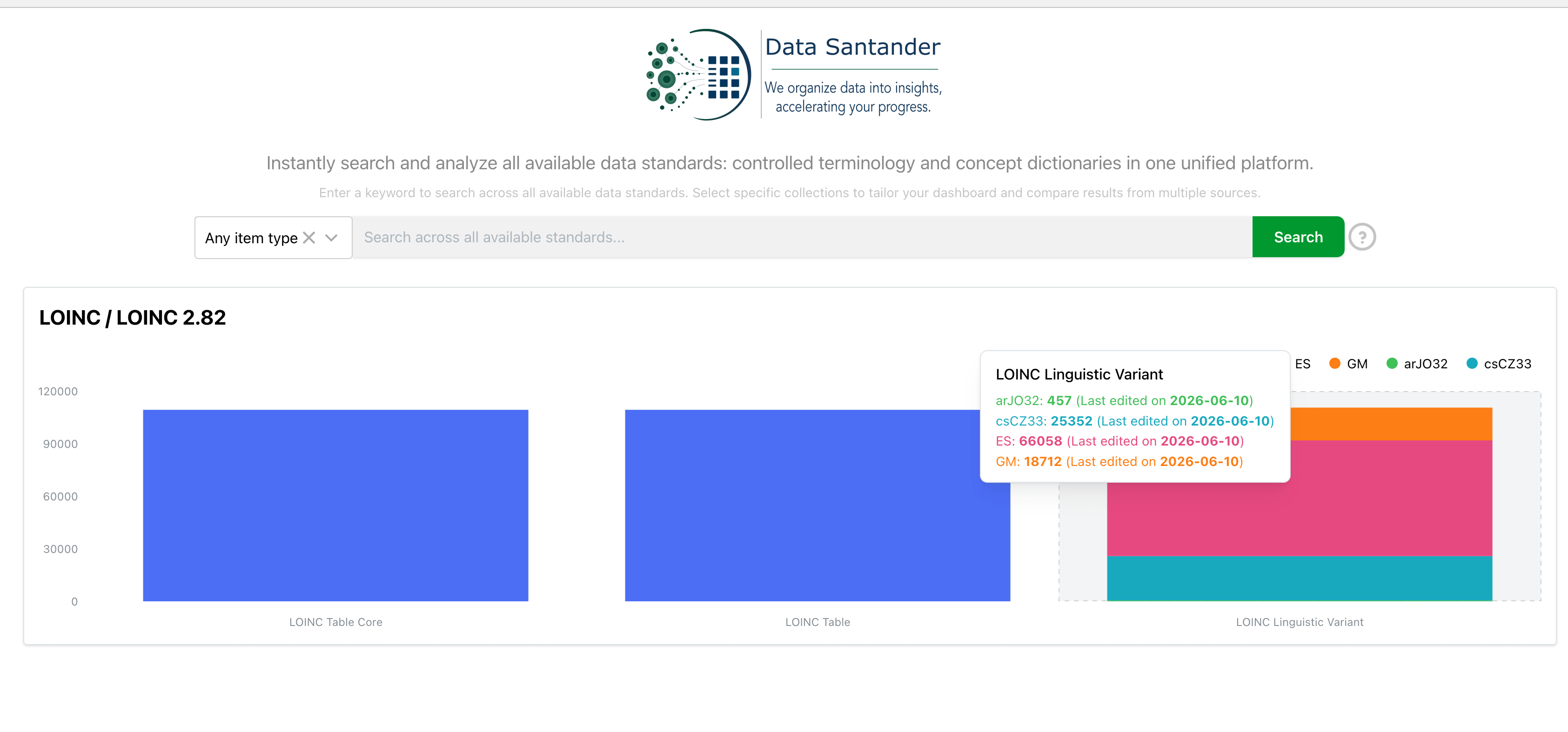
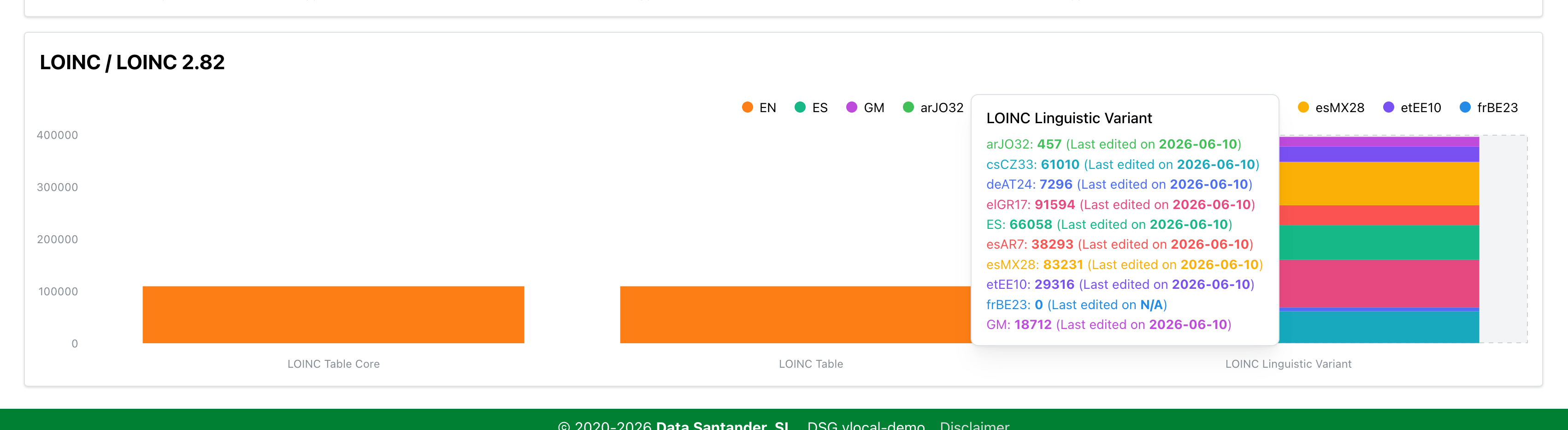
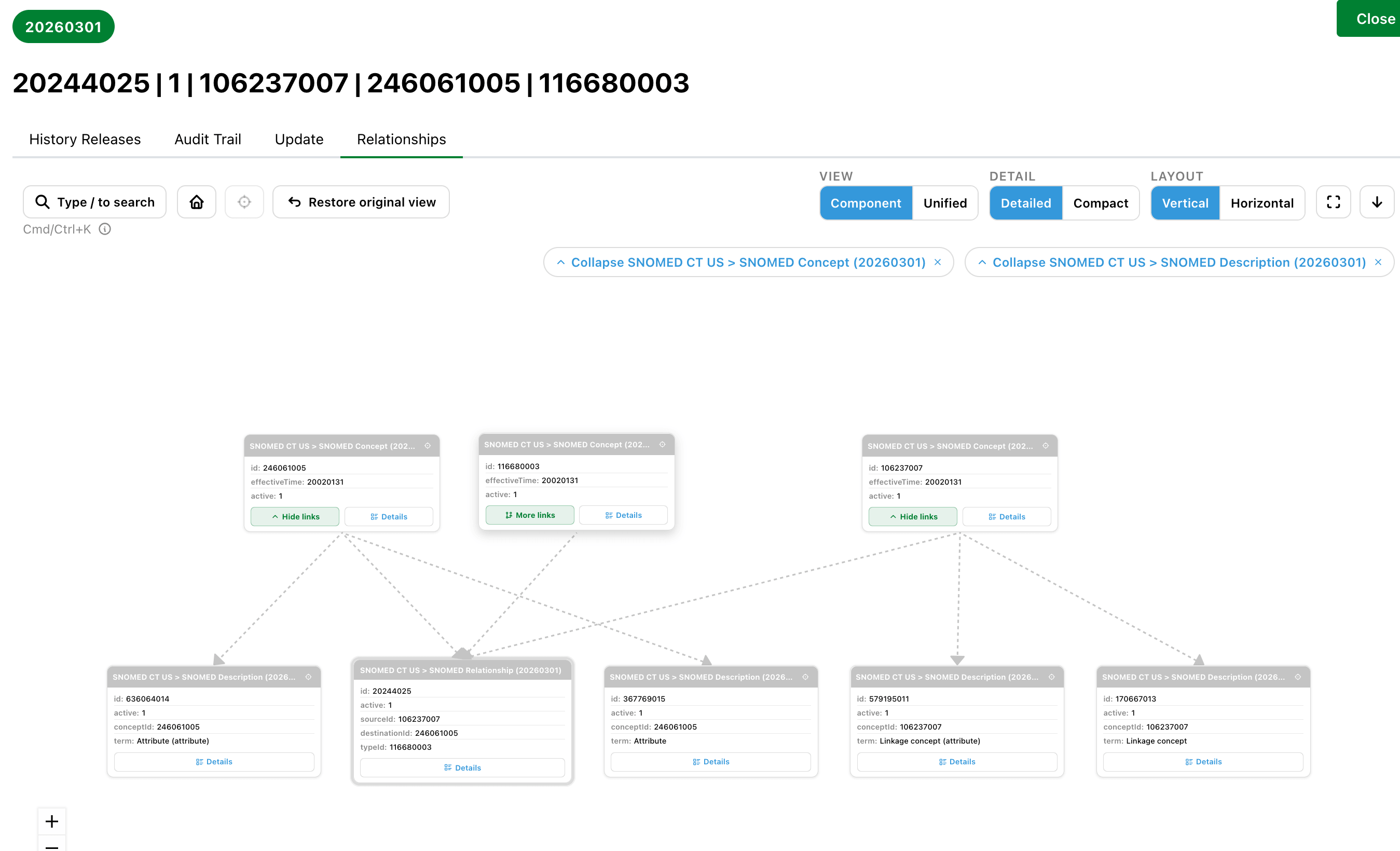
When specimens are collected on different dates, their associated metadata likely encodes values from different standard versions — creating semantic drift across the collection.
03
When code systems and terminologies are managed centrally, biobanks can update specimen metadata to current releases — supporting interoperability and FAIR-oriented metadata practices.
Specimens are stored today, but reused years later under newer standards. Metadata encoded at collection time may no longer align with current terminology releases, making search, pooling, sharing, and reuse harder than it should be.
A LIMS is usually excellent at specimen receipt, processing, storage, chain of custody, request management, retrieval, and distribution. But terminology versioning, recoding decisions, mapping provenance, and governed metadata publication often need a dedicated standards layer.
Adapted from: Your LIMS manages the specimen lifecycle. DataSDR governs the standards and terminology changes around that lifecycle.
When terminology releases change, DataSDR helps teams identify affected records, define mappings, review proposed updates, approve transformations, and publish updated metadata with traceability.
FAIR principles provide a useful orientation for metadata design. DataSDR supports terminology versioning, provenance, mapping review, and governed publication without claiming FAIR certification on your behalf.
No. DataSDR does not replace specimen receipt, storage, request, retrieval, or distribution workflows. It complements LIMS platforms by governing the standards, terminologies, mappings, and metadata transformations around those workflows.
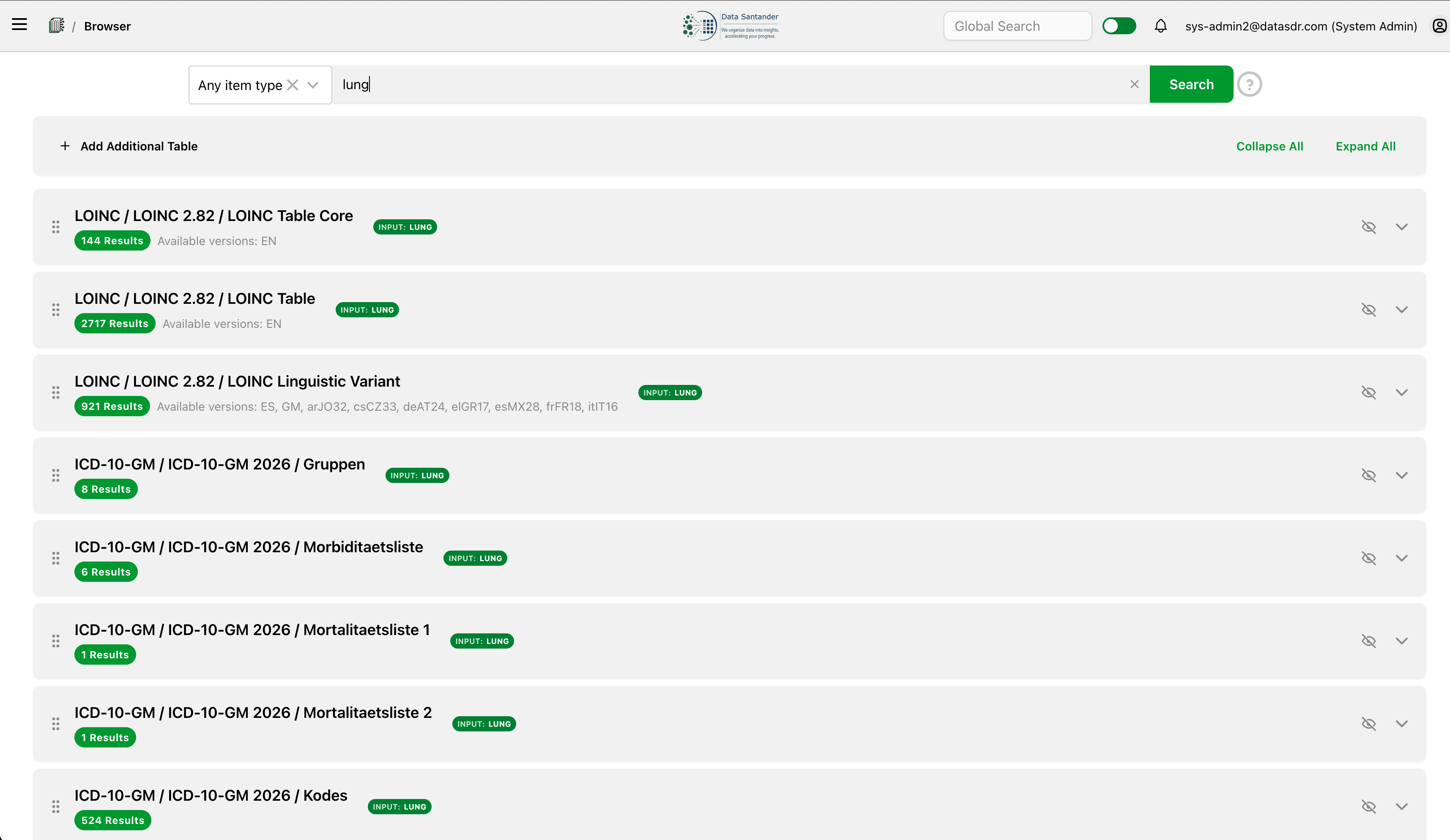
DataSDR can help manage LOINC, SNOMED CT, ICD, ICD-10-GM, Alpha-ID-SE, OPS where relevant, local taxonomies, and organization-specific codelists.
Recoding or upcoding is the process of reviewing metadata coded under an older terminology release and mapping it to a newer release or preferred coding scheme, while preserving provenance.
DataSDR supports governed review, mapping, approval, and publication workflows. Avoid automatic record changes unless they are explicitly configured, reviewed, and approved by the organization.
No. FAIR principles are useful guidance for metadata design. DataSDR supports findability, interoperability, provenance, and reuse workflows, but it does not certify FAIR compliance.
Yes. DataSDR is designed to operate as a standards-governance layer beside existing systems and can publish approved metadata updates through APIs or release packages.
Use the call to review how your organization manages terminology versions, specimen-associated metadata, recoding workflows, and LIMS integration points.
No sales script. Bring one metadata or terminology-change problem and we will map the workflow with you.
Please contact us if your organization has a data management challenge you need assistance with.